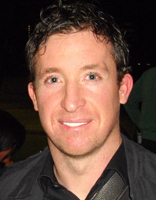
Robbie Fowler's Net Worth: Why "God" is Richer Than Most Ex-Pros
To Liverpool FC supporters, Robbie Fowler is not merely a former player; he is "God." This revered nickname wasn't given lightly, reflecting his almost divine ability to find the back of the net with clinical precision during his prime. While his legendary status on the pitch is undeniable, what truly sets Robbie Fowler apart from many of his footballing peers, past and present, is his remarkable financial acumen. Unlike most ex-professionals whose fortunes are largely tied to their playing contracts, Fowler's substantial net worth wasn't primarily accumulated through football earnings. Instead, it was a series of shrewd property investments that transformed the goal-scoring sensation into a genuine real estate mogul, securing a financial legacy far beyond the beautiful game.
Who is Robbie Fowler? The Legend Behind "God"
For a new generation of football fans, the name Robbie Fowler might conjure only a vague recognition. However, for those who witnessed him play, particularly in the 1990s and early 2000s, he was a force of nature. Born Robert Bernard Fowler on April 9, 1975, in the Toxteth area of Liverpool, he initially grew up as Robert Ryder, adopting his mother's surname. Surprisingly, the future Anfield icon was an Evertonian in his youth, regularly attending both home and away matches for the Blues. This allegiance shifted dramatically when he joined Liverpool as a youth team player in the summer of 1991, signing his first professional contract on his 17th birthday the following year.
Fowler's impact at Anfield was immediate and sensational. During his initial spell with the Reds, he played 236 league games, netting an astounding 120 goals. His prolific start, including 12 goals in his first 13 starts, made him an indispensable part of the team. He secured his first major trophy in 1995, helping Liverpool lift the League Cup. Renowned for being arguably the most natural finisher in English football, he was a prominent figure in the infamous "Spice Boys" era, a talented but sometimes controversial group of players. Fowler's crowning achievement during this period was playing a key role in Liverpool's historic treble-winning season in 2000-2001, securing the League Cup, FA Cup, and UEFA Cup. After this success, he moved to Leeds United and then Manchester City, before making a celebrated return to Anfield under Rafa Benítez in 2006, much to the delight of the Kop.
The Astonishing Robbie Fowler Net Worth: A Different Kind of Goal-Scoring
As of 2025, Robbie Fowler's net worth is estimated to be over $50 million. This figure is not only impressive for any retired athlete but particularly striking when considering the era in which he played. While today's top footballers command astronomical salaries — Virgil van Dijk, for instance, signed a contract reportedly worth nearly £400,000 per week — Fowler's playing wages, though significant for their time, simply do not compare to the staggering sums seen in modern football. This stark contrast highlights the unique nature of Fowler's financial success: his wealth didn't primarily stem from his football contracts alone, but rather from extraordinarily astute financial planning and investment.
More Than Just Football: The Rise of a Property Mogul
The genesis of Fowler's impressive fortune can be traced back to a pivotal piece of advice he received early in his career. In a 2015 interview, Fowler revealed that one of the best moves he ever made was listening to fellow football legend Graeme Souness, who urged him to seek the expertise of a financial advisor. This guidance came at a crucial time, leading Fowler to make strategic investments, primarily in property. Joining forces with partners, he began building what would become an extensive property portfolio, leveraging his comparatively modest wages (by today's standards) to generate significant returns.
His early success in real estate quickly earned him the moniker "Britain's richest sportsman," a title that underlined his financial prowess even while still actively playing. Fowler's name appeared on the Sunday Times Rich List multiple times, a testament to the remarkable growth of his assets outside the confines of the football pitch. His approach was not merely speculative; it was a well-thought-out strategy that involved investing in various types of properties, from residential homes to potentially commercial ventures, often in partnership to maximize his reach and mitigate risk. For an in-depth look at Robbie Fowler's property empire, exploring the specifics of his investments and how they contributed to his $50 million net worth, it's clear his focus was on long-term capital appreciation and recurring rental income.
Lessons from Robbie Fowler: Building Wealth Beyond Your Primary Income
Robbie Fowler's journey from football icon to property mogul offers invaluable lessons for athletes and individuals in any profession aspiring to build substantial, lasting wealth. His story isn't just about being rich; it's about smart decision-making and foresight.
- Seek Expert Financial Advice Early: Fowler's decision to heed Graeme Souness's advice and engage a financial advisor was transformative. This emphasizes the critical importance of professional guidance, especially when dealing with early career earnings. A good advisor can identify opportunities, manage risks, and create a long-term financial roadmap tailored to individual goals.
- Understand the Power of Diversification: While football was his passion and profession, Fowler wisely diversified his income and assets into real estate. Relying solely on a primary income, especially in high-earning but potentially short-lived careers like professional sports, can be risky. Having multiple income streams or investment vehicles provides stability and accelerates wealth growth.
- Start Investing Young (Even with "Meagre Wages"): Fowler began his property ventures when his wages were not yet at their peak. This illustrates the power of starting early. Even small, consistent investments, given enough time, can compound significantly. The earlier you start, the more time your money has to grow.
- The Long Game of Property Investment: Property, when chosen wisely, is often a stable asset that appreciates over time. It can also generate passive income through rent, providing a consistent cash flow. Fowler's success in this area underscores property's potential as a foundational asset for wealth building. It's a tangible investment less susceptible to the immediate whims of the stock market.
- Strategic Partnerships Can Amplify Returns: By investing with partners, Fowler was able to pool resources, acquire more properties, and potentially mitigate individual risk. Strategic alliances can be crucial for expanding investment horizons beyond what one individual could achieve alone.
Robbie Fowler Today: A Legacy of Financial Acumen
Today, Robbie Fowler continues to be a respected figure in football, having delved into coaching and punditry. However, his enduring legacy extends far beyond his achievements on the pitch. He stands as a prime example of an athlete who understood the transient nature of a playing career and proactively built a robust financial future. His transition from "God" of Anfield to a bona fide property mogul demonstrates a unique blend of talent, discipline, and astute financial planning that should serve as an inspiration for current and future generations of professionals.
Robbie Fowler's story challenges the perception that immense wealth in sports must solely come from playing contracts. Instead, it champions the notion that smart investment decisions, especially when made early and with expert guidance, can far surpass even the most generous professional salaries in the long run. He didn't just score goals; he scored big in the world of finance, securing a truly enviable net worth that continues to grow.
